
Christmas Gifts for Wellness and Comfort Without Making Health Claims
Comfort-focused Christmas gift ideas for rest, routines, movement, and everyday wellbeing, chosen without medical promises or pressure.
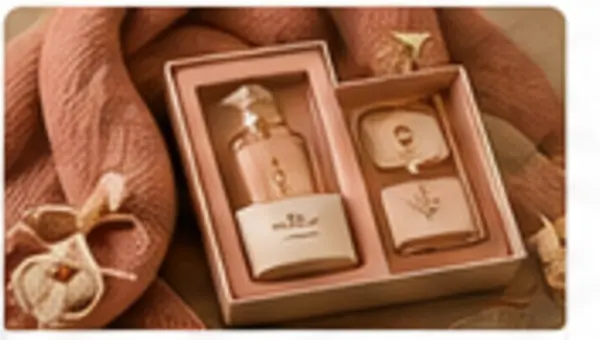
A wellness gift should feel supportive, not corrective. Avoid implying that the recipient needs to change their body, appearance, health, or habits. Focus on comfort, rest, enjoyment, and preferences they have already expressed.
Gift ideas to consider
A comfortable blanket or robe in the right size
This can be a strong choice when it connects directly to the recipient’s real routine or interest. Choose quality over novelty and include a short note explaining the connection.
A quiet-time book or journal
Look for a version that fits the person’s taste, available space, and level of experience. Check size, materials, and return terms before committing.
A class they have asked to try
The idea becomes more personal when you choose the details deliberately rather than buying the first generic version. Presentation can reinforce the reason you selected it.
A supportive everyday item chosen with input
Consider how often it will be used after Christmas and whether the recipient already owns something similar. A useful upgrade usually beats unnecessary duplication.
A tea or caffeine-free drink selection
This works especially well when you know the recipient has mentioned it, postponed buying it, or would enjoy it with someone else. Confirm any dates or compatibility first.
A nature or garden outing
A modest version can still feel generous when it is well chosen and well presented. Avoid adding extras that weaken the clear theme of the gift.
A service that creates time to rest
Choose this only when it respects the recipient’s preferences and circumstances. For technical, fitted, or personal items, discreetly ask for guidance.
A simple relaxation or music bundle
Pairing the gift with time, help, or a handwritten message can make it more memorable without increasing the price very much.
How to choose well
Think about people who appreciate quiet routines, comfortable spaces, gentle activity, and practical self-care. Write down two or three facts about the person before browsing: what they use often, what they enjoy, what they avoid, and whether they prefer experiences, consumables, practical items, or keepsakes.
Check the details that can turn a good idea into a poor purchase. These may include size, allergies, device compatibility, local power standards, storage, accessibility, faith tradition, colour, material, return windows, and import charges. Do not rely on a product title alone.
Finally, make the reason for the gift visible. A short card can explain the memory, interest, need, or hope behind your choice. That explanation often carries more lasting value than elaborate packaging.
Budget and timing
Avoid unverified supplements, medical devices, or products making exaggerated claims. Fragrance, allergy, size, and accessibility preferences should be checked.
Personalized and international orders deserve the longest lead time. Ordinary items may be easier to buy closer to Christmas, especially when a clear seasonal return window matters. Keep confirmation emails and gift receipts together.
Common mistakes to avoid
- Buying for a stereotype rather than the individual.
- Choosing novelty that creates clutter and has no likely use after Christmas.
- Ignoring size, allergies, age guidance, safety certification, or compatibility.
- Letting a sale price replace the question of whether the gift is suitable.
- Using debt or deferred payment to exceed a realistic Christmas budget.
Frequently asked questions
How early should I shop for christmas gifts for wellness and comfort without making health claims?
Start early for personalized, international, fitted, or hard-to-find items. Ordinary local gifts can be purchased later, but keeping a written list and budget from August onward reduces rushed decisions.
Should I ask the recipient what they want?
Yes, especially for size, technology, hobbies, accessibility, or expensive purchases. A short list still leaves room for surprise while reducing waste and returns.
What makes a Christmas gift feel thoughtful?
The clearest sign of thought is fit: the gift suits the person, the relationship, the budget, and the way they actually live. A personal note can explain that connection.